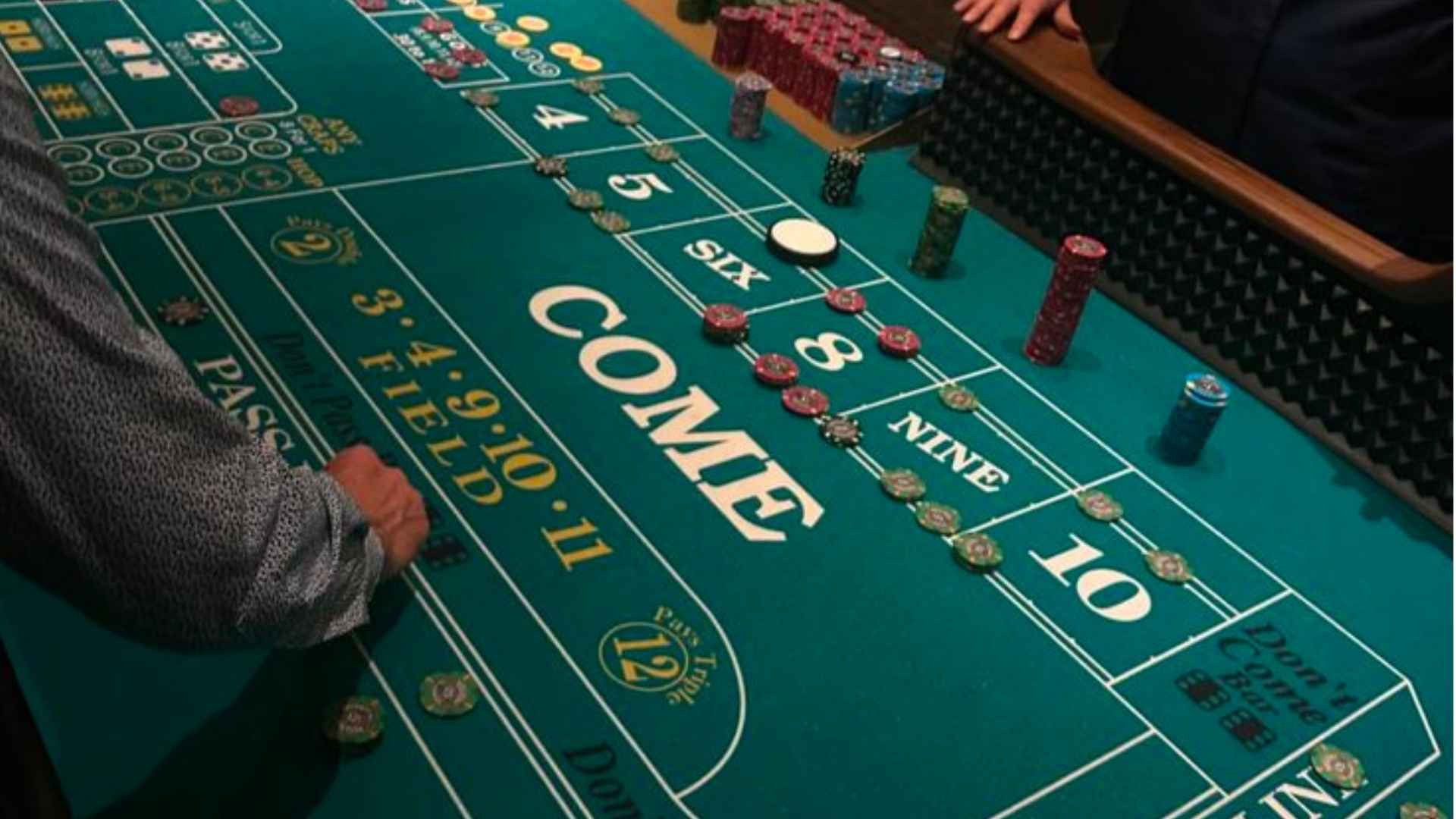
Long before computer simulations and modern wargaming software existed, military institutions relied on physical tools to train officers in command tactics. Among the most crucial components introduced to historic war games were dice, which simulated the unpredictable elements of actual combat. By incorporating calculated probability into tactical exercises, historic academies taught future commanders how to adapt to dynamic battlefield conditions.
The Evolution of Tactical Simulations in Military Training
In the eighteenth and nineteenth centuries, European military academies sought innovative ways to prepare officers for the realities of warfare without sacrificing troops. Early versions of Kriegsspiel, or war games, transformed abstract board games into realistic operational exercises. Instructors quickly realized that fixed rules could not account for unexpected factors like weather, morale, and equipment failure.
To solve this problem, designers integrated dice rolls into the game mechanics to represent combat friction. This addition forced officer cadets to consider multiple outcomes rather than relying on rigid, predictable plans. As a result, battlefield instruction became significantly more flexible and realistic.
Simulating the Fog of War Through Randomness
Rolling dice allowed instructors to recreate the fog of war inside quiet classroom settings. A commander might execute a flawless tactical maneuver on paper, but a dice roll could simulate sudden delays or unit confusion. Learning to manage these unexpected setbacks trained officers to maintain composure under severe stress.
Understanding calculated risks helped leaders evaluate when to engage the enemy and when to hold position. Just as players in modern probability games or platforms like m88 casino analyze odds before making a move, military strategists had to weigh potential casualties against tactical gains. This analytical mindset proved essential during actual campaigns.
Developing Strategic Flexibility and Decision Making
The primary goal of dice-based training was not to promote guesswork, but to encourage strategic flexibility. Officers learned that no military plan survives first contact with the enemy entirely intact. By facing randomized scenario outcomes, cadets practiced developing secondary contingencies on short notice.
This method shifted military instruction from rote memorization to active problem-solving. Cadets were evaluated on how effectively they responded to favorable or adverse rolls rather than the raw outcome alone. Consequently, academies produced leaders capable of quick adaptation during complex military engagements.
The Lasting Legacy of Historic Wargaming
The principles established by early dice-driven simulations laid the groundwork for modern defense modeling and civilian strategic games. Today, military analysts still use advanced stochastic models—the direct conceptual descendants of dice rolls—to forecast conflict scenarios. The fundamental balance between sound planning and managing uncertainty remains central to strategic doctrine.
Ultimately, historic academies demonstrated that incorporating controlled randomness creates more resilient decision-makers. By treating chance as a measurable factor rather than an obstacle, traditional war games successfully bridged the gap between military theory and practical battlefield leadership.