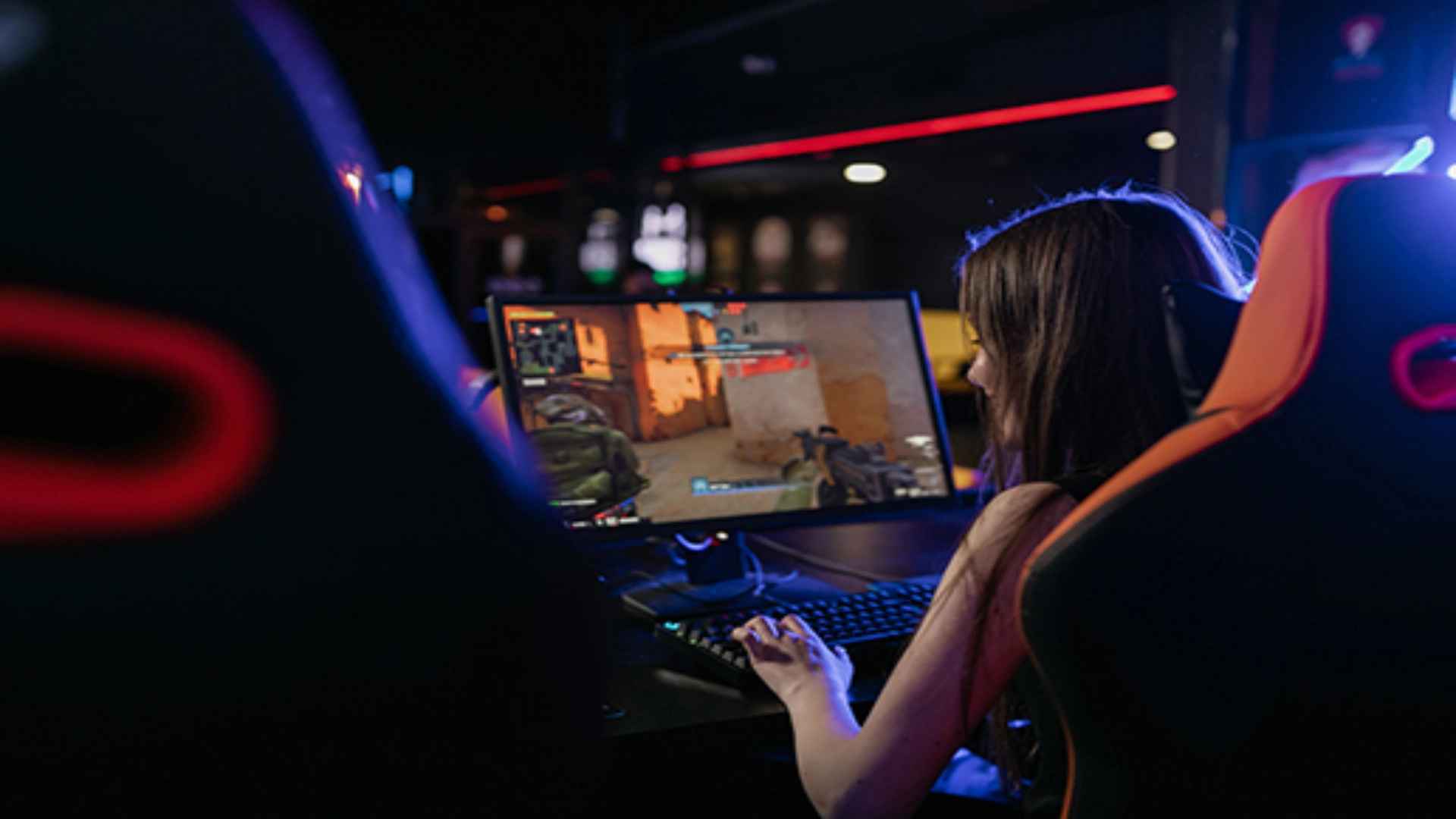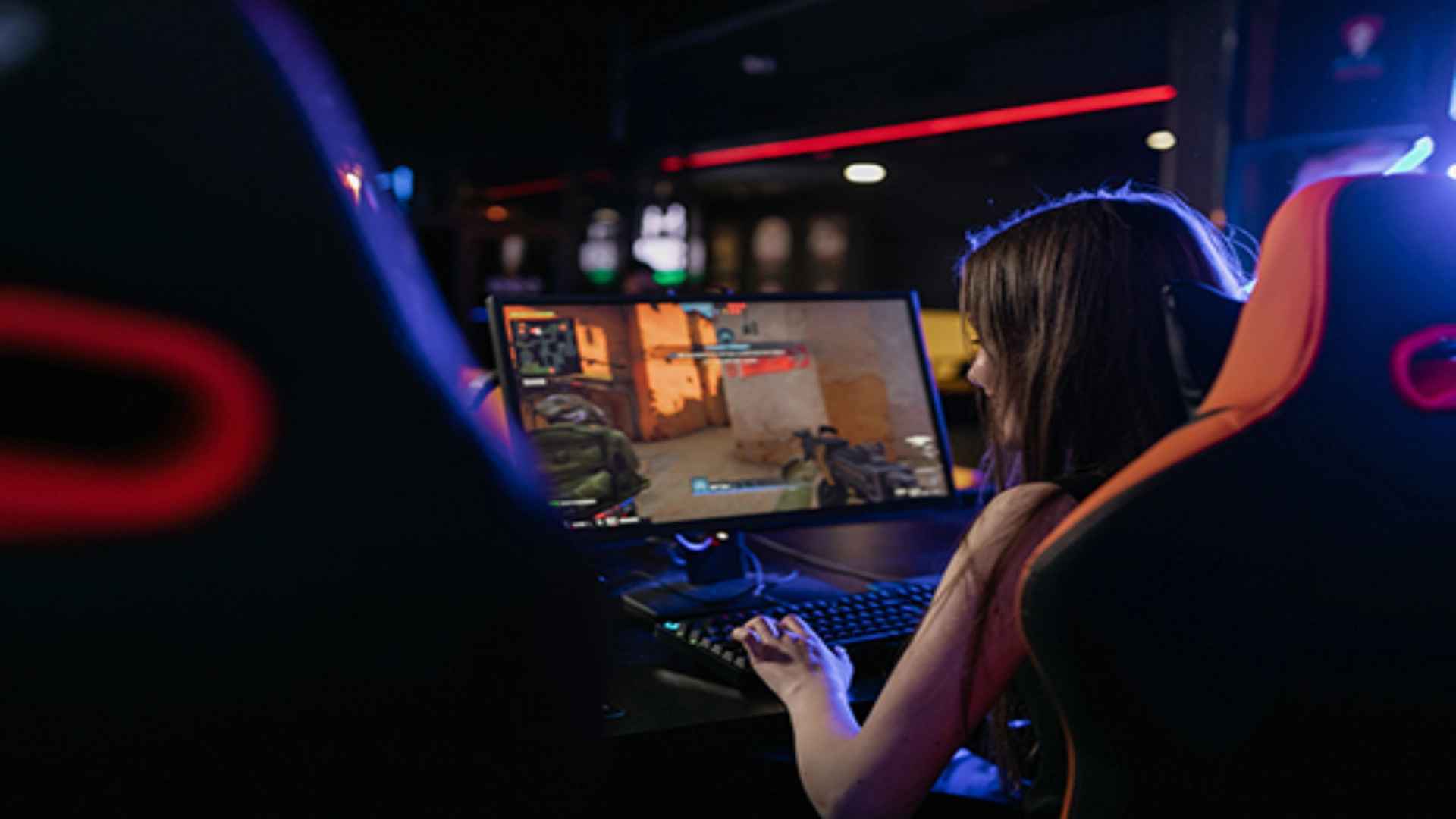
Achieving total dominance in complex competitive arenas requires players to move far beyond immediate reactions and basic mechanical skills. True victory relies on a comprehensive strategic framework that allows participants to dictate the pace of engagements rather than simply reacting to enemy pressure. By prioritizing long-term vision over short-term gains, gamers can consistently outmaneuver their rivals on the digital layout.
The Architecture of Spatial Dominance
Effective tactical planning always begins with a deep evaluation of your current resource allocation and spatial surroundings. Elite competitors recognize that securing key high-ground positions and mapping out critical choke points establishes a distinct operational advantage. This deliberate spatial control effectively restricts your opponent's movement while maximizing your own freedom to deploy assets safely.
Furthermore, maintaining constant visual monitoring prevents devastating surprises from emerging out of the fog of war. Players who train their minds to process environmental shifts quickly can make superior field choices during high-pressure tournament matches. Establishing a robust defensive perimeter ensures your home base remains secure while you orchestrate offensive campaigns across the rest of the map.
Balancing Resource Logistics
Behind every successful tactical victory lies a stable economic foundation that reliably funds ongoing operational requirements over time. Efficiently distributing gathered assets ensures a steady technological progression through the increasingly difficult stages of the match. Balancing the immediate demands of expansion against the necessity of defending current holdings separates seasoned champions from standard enthusiasts.
Learning to manage multiple production lines simultaneously enhances your overall capability to sustain long-term battlefield presence. Aspiring tactical thinkers can evaluate modern system frameworks or visit a specialized m88 alternatif platform to analyze how high-level strategic models function under intense pressure. Perfecting this infrastructure management ultimately prevents catastrophic asset depletion during the demanding late-game phases.
Predictive Opponent Modeling
Anticipating an opponent's behavior is a defining skill that separates professional competitors from casual gaming enthusiasts. Every rival leaves behind recognizable habits through their recurring choices and strategic routines during the opening minutes of a match. Recognizing these subtle tells allows you to adjust your defensive layouts and counter hostile initiatives with remarkable precision.
No strategy completely survives first contact with a highly skilled competitor, making fluid flexibility an absolute necessity for modern players. When an unexpected counter-offensive disrupts your initial plan, a calm mindset helps you pivot your approach to exploit sudden gaps in the enemy line. Cultivating patience allows you to wait for the perfect moment to strike when the opposition inevitably commits a critical tactical error.
Continuous Improvement Through Analysis
Mastering complex virtual environments ultimately requires a systematic approach to continuous skill refinement during every play session. Reviewing your past matches helps highlight recurring strategic mistakes that require immediate correction before subsequent competitive encounters. This deliberate study builds the sharp analytical intuition needed to handle multi-layered problems under intense pressure.
Every single defeat offers a unique learning opportunity that sharpens your future planning capabilities and tactical awareness. Embracing a growth mindset transforms frustrating setbacks into powerful lessons that elevate your execution from random luck to sustainable excellence. Through persistence and disciplined training, any dedicated gamer can achieve superior battlefield control.