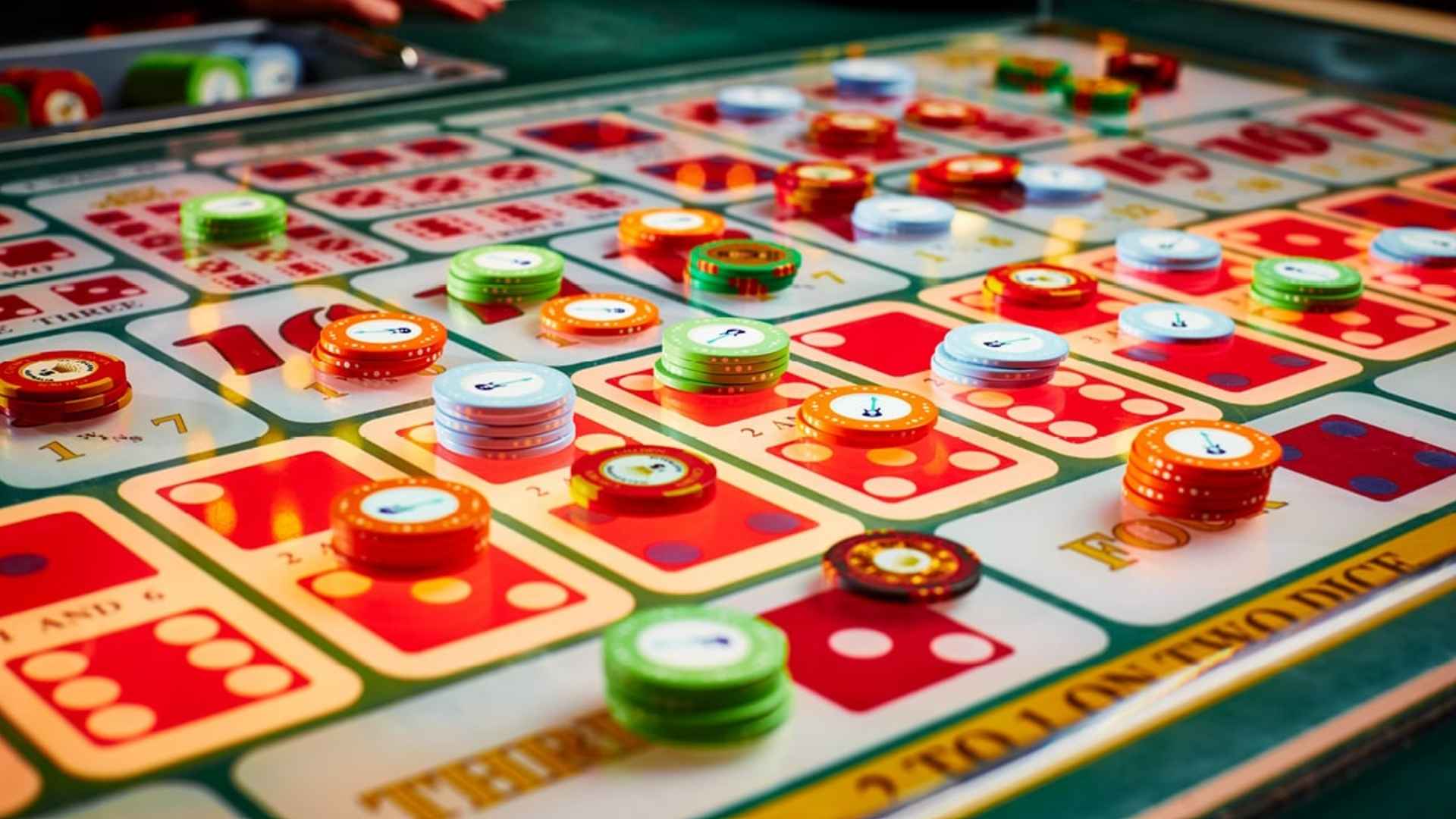
Succeeding in competitive tournaments requires far more than just sudden bursts of brilliance or relying on a run of good luck. True champions are defined by their ability to deliver stable results across multiple rounds and highly demanding sessions. Developing a specific set of core tournament skills is the only reliable way to secure consistent performance on the grand stage.
Mastering Emotional Regulation and Focus
Maintaining absolute focus during long, grueling matches is one of the most critical challenges any competitor will face. When pressure mounts, emotional control prevents players from making impulsive choices that lead to costly mistakes. Training your mind to stay calm under duress ensures that your strategic plans are executed flawlessly from start to finish.
Additionally, mental fatigue can quietly degrade your decision-making abilities as the tournament progresses into later stages. Successful players combat this by pacing their energy and practicing mindfulness techniques between rounds. Keeping a clear head allows you to quickly reset after a setback and maintain your competitive edge.
Analytical Decision Making Under Pressure
Every move in a high-stakes environment must be backed by a rational risk assessment rather than raw emotion or panic. Competitors need to analyze the current table state rapidly and weigh the potential outcomes of each available option. Having a reliable fallback system or exploring trusted platforms like m88 alternatif can help players study different competitive environments to sharpen these skills.
Furthermore, learning to accept small, calculated losses is much better than risking your entire tournament life on a weak position. Top-tier players understand that survival is the ultimate goal in multi-round events. Making disciplined, analytical choices consistently separates seasoned tournament veterans from recreational participants.
Tactical Flexibility and Pattern Recognition
A rigid strategy rarely survives the dynamic shifts that occur during a highly competitive tournament. Players must possess the ability to read their opponents' patterns and adapt their playing style to counter new threats. Recognizing subtle visual or behavioral cues allows you to anticipate moves before they are executed.
This tactical versatility ensures that you remain unpredictable and difficult to read throughout the competition. If your initial plan is failing, you must be ready to transition smoothly to an alternative approach without losing momentum. Versatility is the ultimate defense against opponents who rely on fixed, highly predictable habits.
Establishing a Structured Preparation Routine
Consistent performance on match day is always a direct result of the structured work done behind the scenes. Elite competitors establish rigorous training schedules that simulate the exact pressure and time constraints of live events. Physical health, proper sleep, and balanced nutrition also play a massive role in maintaining your mental stamina.
By building a dependable pre-tournament routine, you eliminate unnecessary variables and enter the arena with quiet confidence. Reviewing your past performances helps identify recurring weaknesses that need to be addressed before the next big event. Treating preparation as a professional duty ensures you are always ready to perform at your absolute peak.